
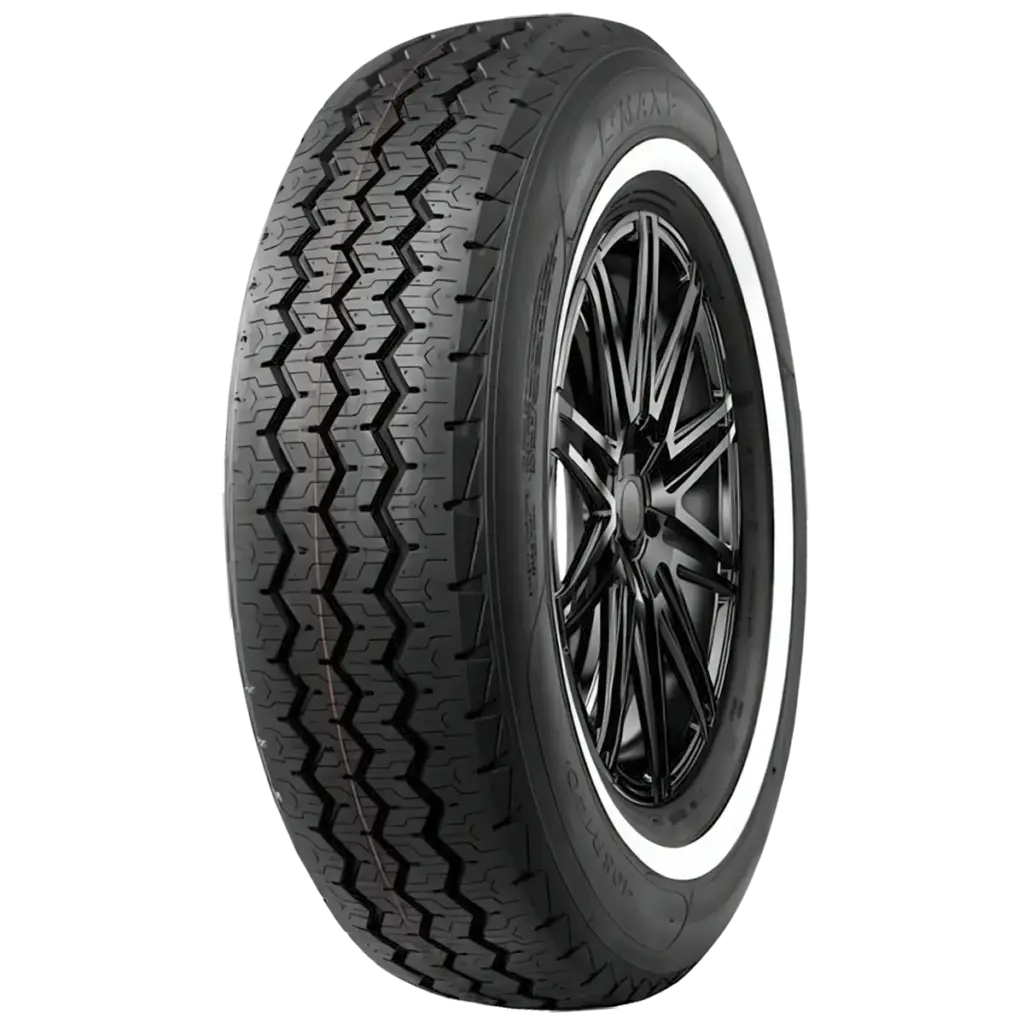
A tyre’s load index identifies a load capacity; its speed rating is a speed code. They answer different questions and must stay with the complete size when a tyre shop or workshop requests a quote. Neither code, on its own, confirms suitability for a vehicle.
Where to find the codes
Look for the service description beside the size on the sidewall. Compare it with the vehicle documentation and the proposed product’s specification row. Continental’s sidewall guide identifies the service description as the load index and speed symbol near the size designation.
For an enquiry, record what is required for the job as well as what the supplier lists. If the two differ, mark the line for technical confirmation. Do not silently replace the requested code with an available one.
A Grenlander commercial catalogue example
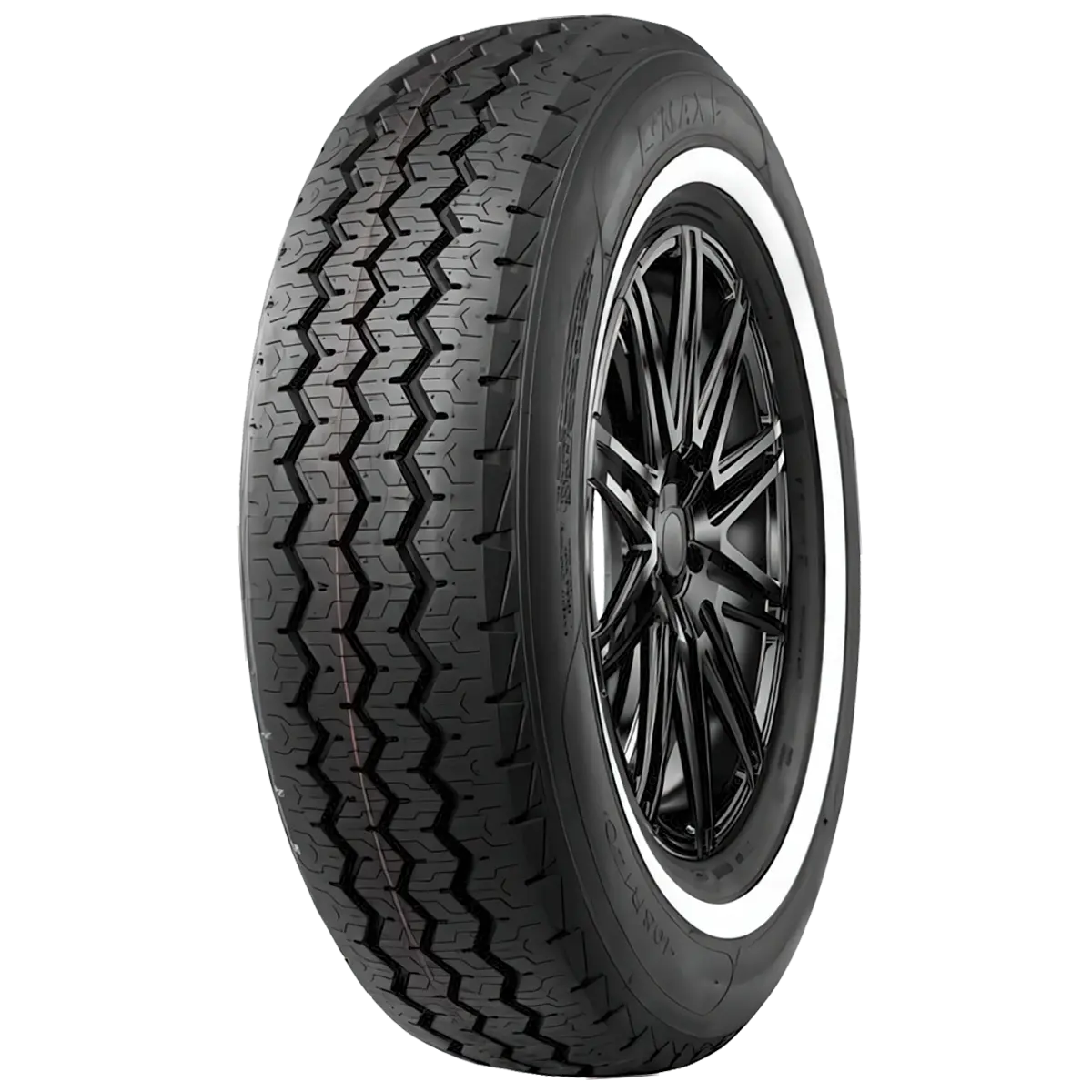
The L-MAX9 catalogue table lists 185R14C 102/100R, 8PR, with separate BSW and WSW sidewall entries. Keep the selected sidewall option in the enquiry too. These are catalogue entries, not live Australian stock.
| Catalogue field | Record for this example |
|---|---|
| Model | L-MAX9 |
| Complete size | 185R14C — retain the final C |
| Load indices | 102 / 100 |
| Speed symbol | R — the final letter in 102/100R |
| Ply rating | 8PR |
| Sidewall option | BSW or WSW, as requested |
In a single/dual service description, the first load index applies to single use and the second to dual use. Each value is per tyre in that configuration; the second number is not a spare rating to ignore. See the European Commission explanation of commercial tyre parameters.
Selected load index and speed rating values
Load capacity depends on the specified conditions, including inflation. A speed symbol describes a rating under defined conditions, not a recommended road speed. Start with the vehicle placard and documentation; a larger number or later letter alone does not approve a replacement.
| Load index | kg per tyre |
|---|---|
| 100 | 800 |
| 102 | 850 |
| 109 | 1,030 |
| 110 | 1,060 |
| 115 | 1,215 |
| 145 | 2,900 |
| 148 | 3,150 |
| Symbol | km/h |
|---|---|
| M | 130 |
| N | 140 |
| R | 170 |
| T | 190 |
| H | 210 |
| V | 240 |
Reference: Bridgestone Australia’s speed and load rating charts, checked 21 September 2026. These are selected entries, not complete charts or a vehicle-fitment calculator.
Turn the specification into a clear workshop enquiry
- Start with the job. Record the vehicle requirements already checked by the workshop, and the intended application. Keep any unresolved requirement visible.
- Select the exact catalogue row. Copy the model, full size, complete load/speed entry and other relevant variant fields together.
- Add purchasing details. Give a quantity per specification and a delivery postcode. Separate mixed models or ratings into individual lines.
- Review the quote against the request. Highlight any changed size, rating or variant. Have the proposed alternative checked before accepting it.
For the example above, an order line could read: “L-MAX9 — 185R14C 102/100R — 8PR — BSW — [quantity] — [postcode]”. Fill in the actual requirement; this example does not establish availability, price or suitability.
Common questions from the order desk
Can I leave out the second load index?
Keep the complete catalogue entry. Record the required single or dual configuration separately so the reviewer can compare the request with the relevant rating.
Does the same rim diameter mean the same tyre?
No. A rim-diameter group is a browsing aid. Compare the full size, service description and relevant construction or variant information before requesting an alternative.
Does a higher rating automatically make a tyre a suitable substitute?
No. Treat a proposed substitution as a technical check, not a purchasing shortcut. Ask the workshop’s tyre professional to confirm the complete specification against the vehicle and application requirements.
For a mixed order, use the blank enquiry spreadsheet and printable worksheet to keep each requested specification and supplier response together.
Continue with the relevant ordering guide
- Commercial tyre sizes and specifications — compare the current category’s catalogue rows.
- Commercial van tyre ordering specifications — prepare a van order.
- Truck tyre sizes and ordering checklist — keep wheel position and job records with the specification.
- Request a Grenlander wholesale tyre quote — send your actual model, specification, quantity and postcode.
Product example source: the L-MAX9 manufacturer catalogue data held on this website, imported 7 August 2026 and checked against the displayed row on 21 September 2026. General code references explain notation; they do not certify this product’s fitment or current supply.