

COLO H02
Asymmetric passenger pattern with longitudinal grooves and distinct inner and outer shoulder details.
Compare COLO H02 specifications →
Start a workshop tyre range plan with the vehicles and jobs you actually see. Use your service records and customer enquiries to identify recurring specifications and use cases, then map those needs to the available product information. A broad catalogue does not mean every pattern or size belongs in your workshop’s initial range.
Create a small set of use groups: passenger vehicles, SUV and 4×4 use, commercial vans, and any truck work your business is equipped to handle. Within each group, record the complete specifications requested and the conditions customers describe. A family SUV used primarily on sealed roads and a vehicle used regularly off road should not be treated as the same purchase merely because both are SUVs.
The Grenlander passenger, SUV & 4×4, commercial and truck categories provide starting points for that mapping. Category labels organise the range; they do not replace a specification or fitment check.
For each recurring need, identify the exact size and ratings, then check which current model pages contain matching specification information. Record gaps separately. Avoid choosing a model solely because it offers a large manufacturer size range or because its tread looks similar to another product.
| Planning column | What to record |
|---|---|
| Customer use | Vehicle category and normal operating conditions |
| Required specification | Complete size, ratings and relevant markings |
| Candidate model | Named product and link to its specification page |
| Observed demand | Your own enquiries or completed jobs, with the period recorded |
| Supply status | Confirmation requested or received, with the date |
Your own records can help separate repeated requirements from one-off enquiries. Use that distinction to decide what deserves a recurring supplier discussion and what can remain an individual request. Do not turn a small number of enquiries into a “best-selling” claim or assume that national search demand predicts your local workshop’s mix.
If your workshop serves SUV or four-wheel-drive customers, use the all-terrain and mud-terrain pages to compare the current model information. For customers considering rugged-terrain tyres, the CONQUEWIND R/T guide provides a separate model-focused reference.
Choose a review period that reflects your business, for example the last eight weeks, and use the same dates for all entries. This is a suggested working method, not an industry benchmark. Record requests you could not fulfil as well as completed jobs; sales alone will miss some customer needs.
| Record | How to use it |
|---|---|
| Full specification and use | Keep different ratings or applications separate, even where the nominal size matches. |
| Requests and completed jobs | Count each customer request once; note the quantity separately. |
| Reason a quote did not proceed | Record the actual reason given: timing, price, specification mismatch or unknown. |
| Current stock and confirmed incoming stock | Include tyres already allocated to a booked job so you do not count them as free stock. |
| Next action | Discuss a repeat supply line, quote individually or investigate the missing information. |
A specification requested repeatedly may deserve a stocking discussion. An occasional request may be better handled against an individual job. Decide using your own demand, shelf space, purchasing budget and confirmed replenishment options; there is no universal opening quantity that fits every workshop.
For example, if the same specification appears in several independent enquiries while another appears only once, investigate the repeated need first. Check why those enquiries did or did not become jobs before increasing stock. This example illustrates a process, not Grenlander’s sales data or a claim about Australia’s best-selling sizes.
Keep a short approved list showing the exact variant, intended stock quantity, supplier confirmation date and person responsible. At your next review, compare requests, fulfilled jobs and remaining stock. Revisit products that are repeatedly requested but unavailable, and those that remain unsold. Avoid automatically replenishing every line simply because it appeared on the first order.
Send each supplier the same specification list, quantities and destination. Keep their replies in separate columns, with the quote date and reference. A lower total is only comparable once you know what each reply includes.
| Check | Evidence to record for each supplier |
|---|---|
| Exact specification | Quoted brand and model, full size, load/speed ratings and required variant markings. Flag every difference from the original request. |
| Comparable cost | Quantity, unit price, GST treatment, freight and any other quoted charges, using the same basis across replies. |
| Quote conditions | Quote validity, payment arrangements and any minimum quantity or split-order conditions confirmed in writing. |
| Supply and delivery | Confirmation for the exact variant and quantity, dispatch and delivery information, destination and date of confirmation. |
| Proposed alternatives | Changed model or specification, the reason proposed, and the workshop’s technical approval before acceptance. |
| After-sales contact | Who to contact, the applicable written process and the invoice or order information to retain. |
If one quote includes freight and another does not, ask for the missing amount before comparing delivered totals. If a supplier offers a different rating, keep that line pending technical approval instead of treating it as an identical item. If delivery is only an estimate, record it as an estimate and confirm the booking implications with your workshop.
Use the downloadable enquiry worksheet for each supplier’s reply. Keep the original request intact and record the final approved quote reference. These comparison fields are questions to confirm with suppliers, not statements of Grenlander’s payment, delivery or warranty terms.
Send the supplier your shortlist with quantities and the delivery postcode. Ask which exact variants can be supplied and confirm ordering, delivery and after-sales arrangements. Keep manufacturer catalogue availability separate from the answer to your current Australian supply enquiry.
Review the plan using actual enquiries, supplied orders and feedback from your own workshop. Expand where the evidence supports it, and revisit variants that repeatedly fail to match customer requirements.
Use the wholesale enquiry checklist to prepare the shortlist, then send it through Grenlander wholesale tyre enquiries.
Asymmetric passenger pattern with longitudinal grooves and distinct inner and outer shoulder details.
Compare COLO H02 specifications →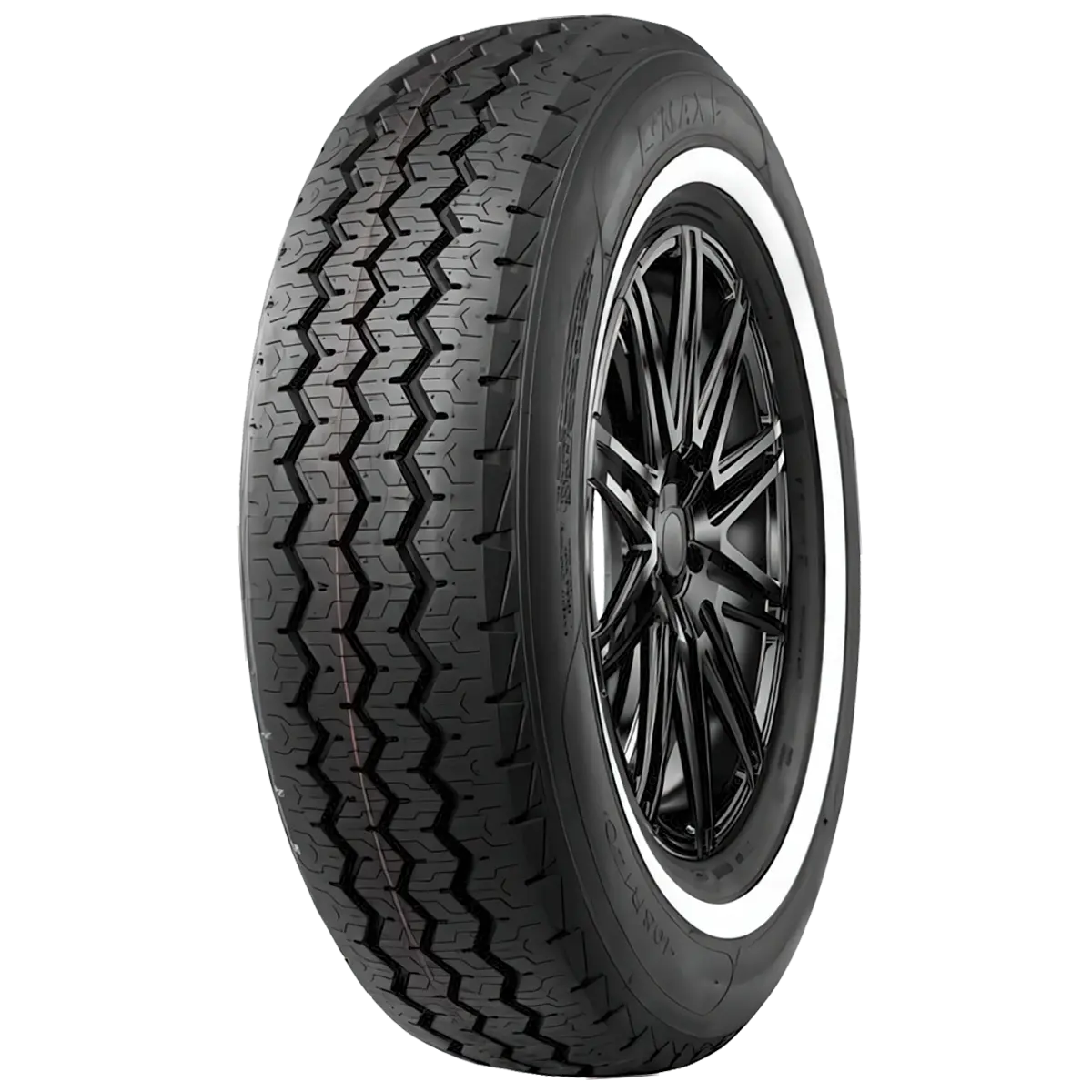
Commercial pattern with siped Z-shaped blocks, double-Y tread elements and zigzag grooves.
Compare L-MAX9 specifications →